 KYNTO
KYNTOWhat is Kynto?
est. 2007 · reborn 2020 · 3D and VR 2026 · one person, one bus
A free world in your browser. No download, on your phone, even in VR. You are looking at it live above: the Downtown room, where the sun and moon move on a world clock.
Your chat is the controller
If you can type in a live chat, you already know how to play. Viewers on Twitch, YouTube, Kick and TikTok type commands and their avatars act in the world, live on stream. No account. No install. Hundreds of people at once, each driving their own character.
!move leftwalks your avatar!jumpjumps!warp 5 10teleports to a tile!sitsits down
!wardrobeopens the wardrobe!dancestarts dancing!growmakes you bigger!glowlights you up
!ridemounts a vehicle!dogspawns a dog!partyyes, this one is real!chess e2e4plays a real chess game
Around fifty commands exist. These are the ones people learn first.
Rooms people built. The doors are real.
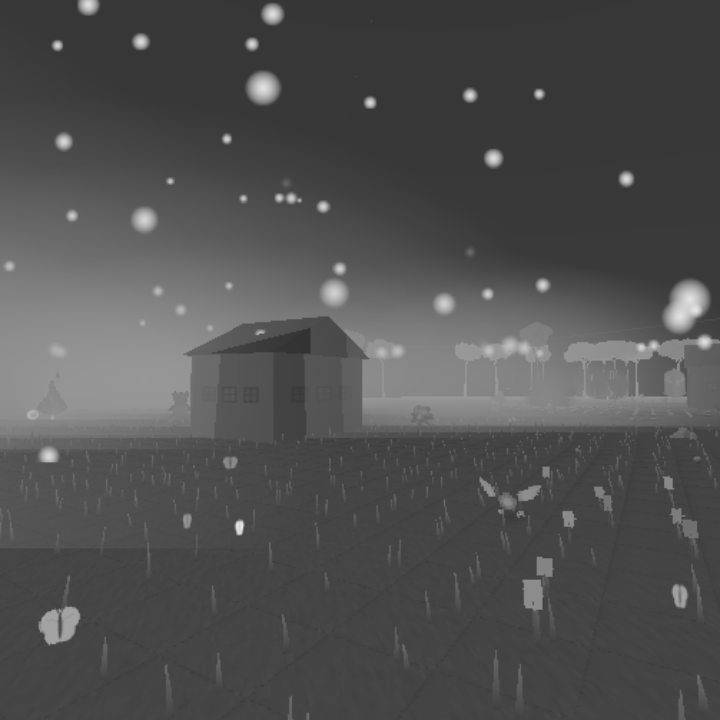 Haunted Village
built by guywithtrees
Haunted Village
built by guywithtrees
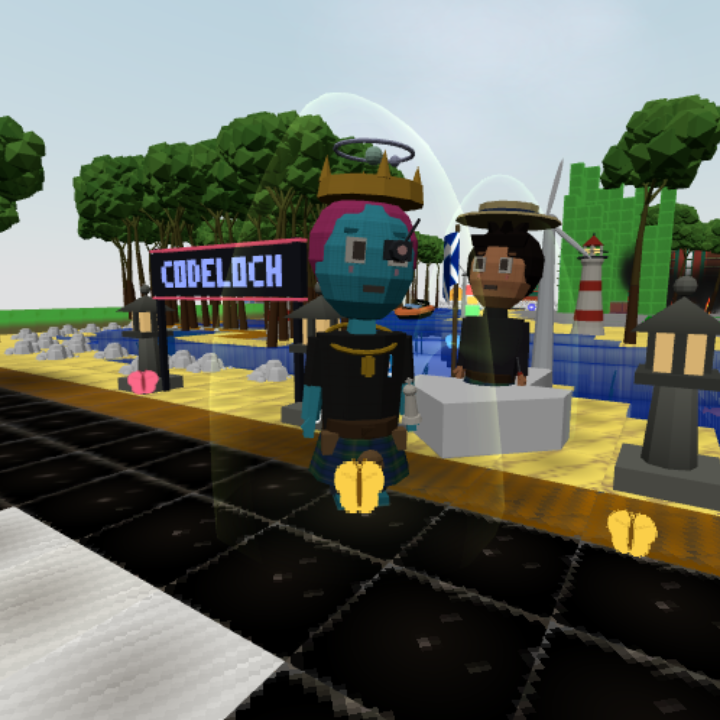 Downtown
built by snappo
Downtown
built by snappo
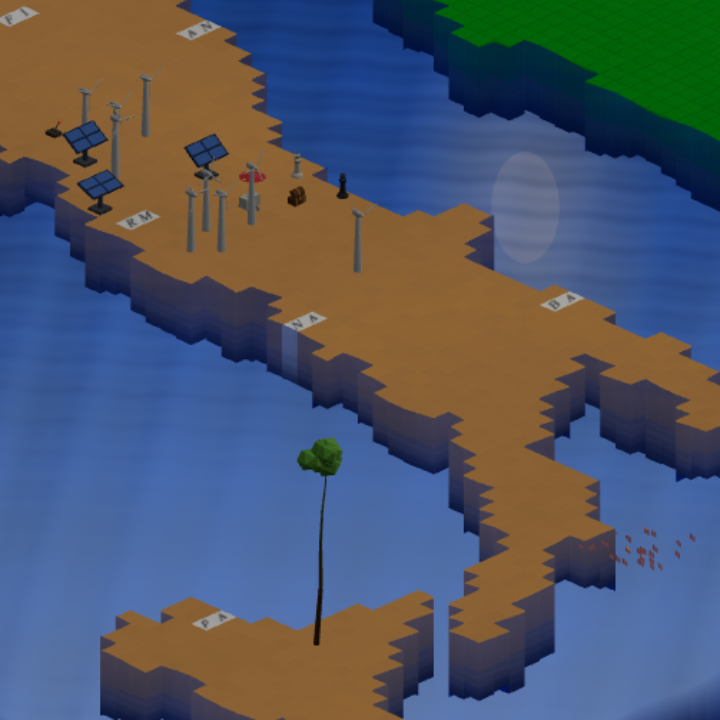 Italia
built by marcowitz
Italia
built by marcowitz
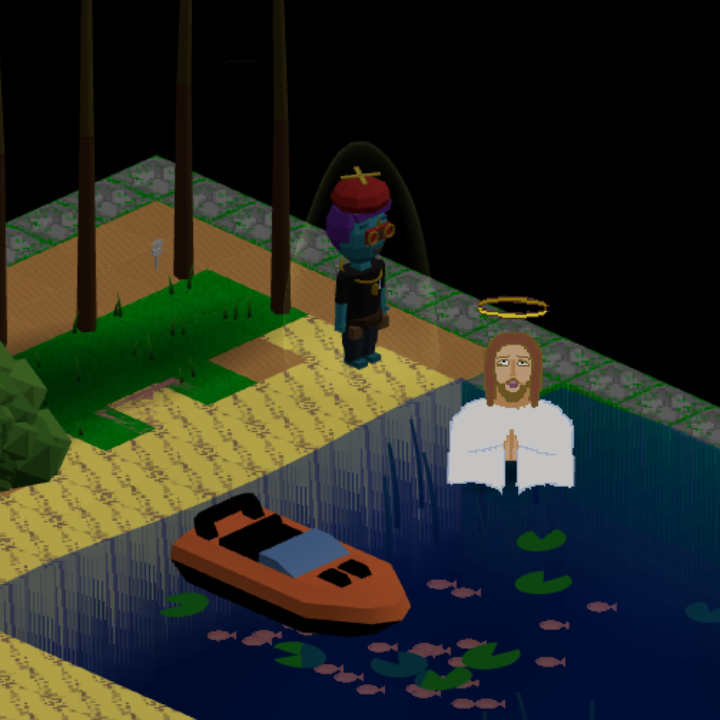 Midnight Beach
built by snappo
Midnight Beach
built by snappo
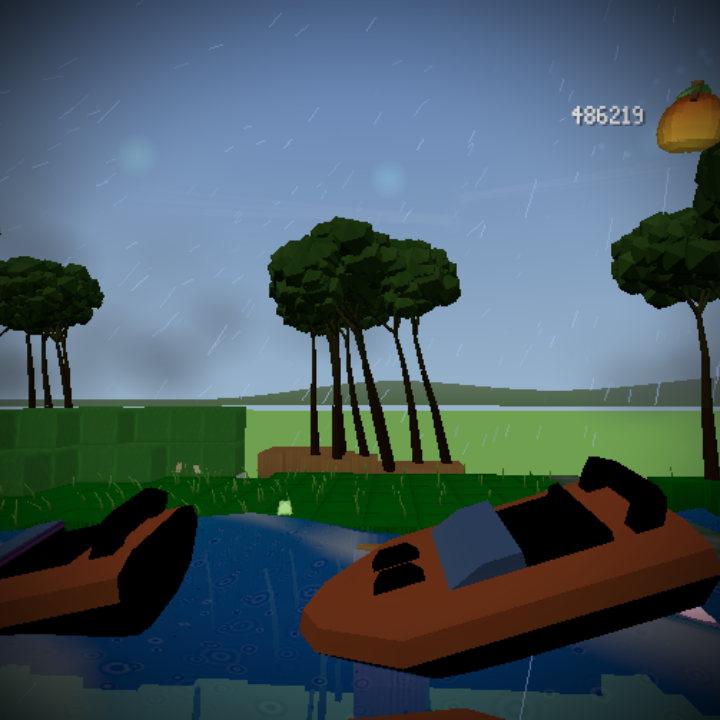 Alien Swamp
built by snappo
Alien Swamp
built by snappo
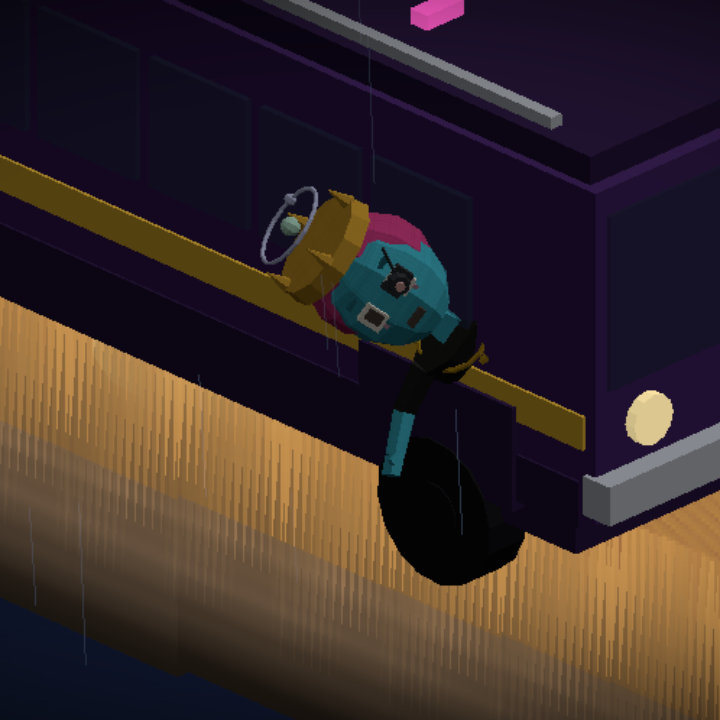 Cafe
built by snappo
Cafe
built by snappo
Every card is a door. Click one and you are standing in that room.
Photos people took in there
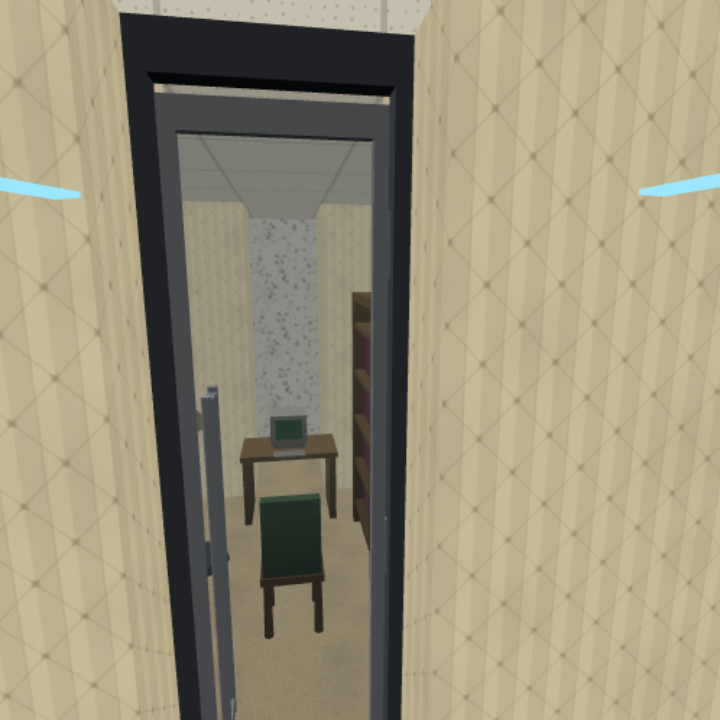
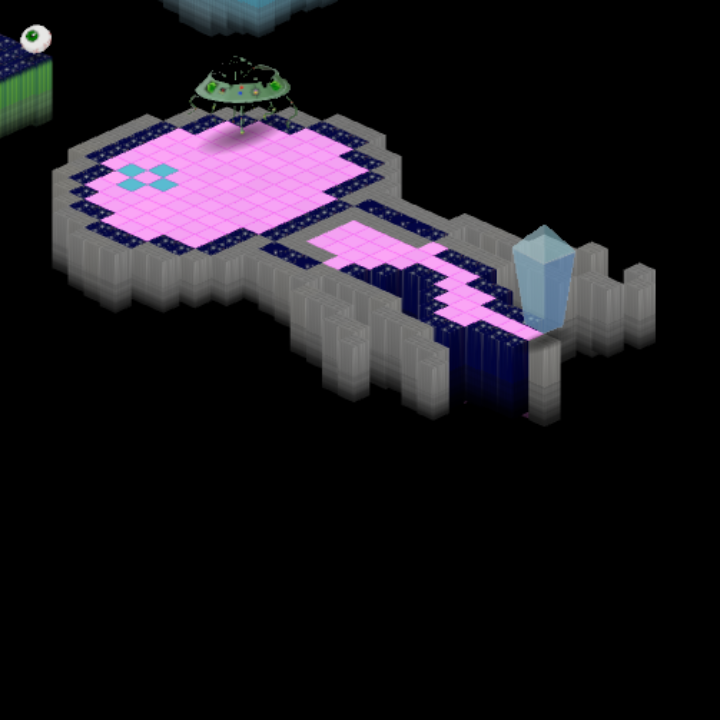
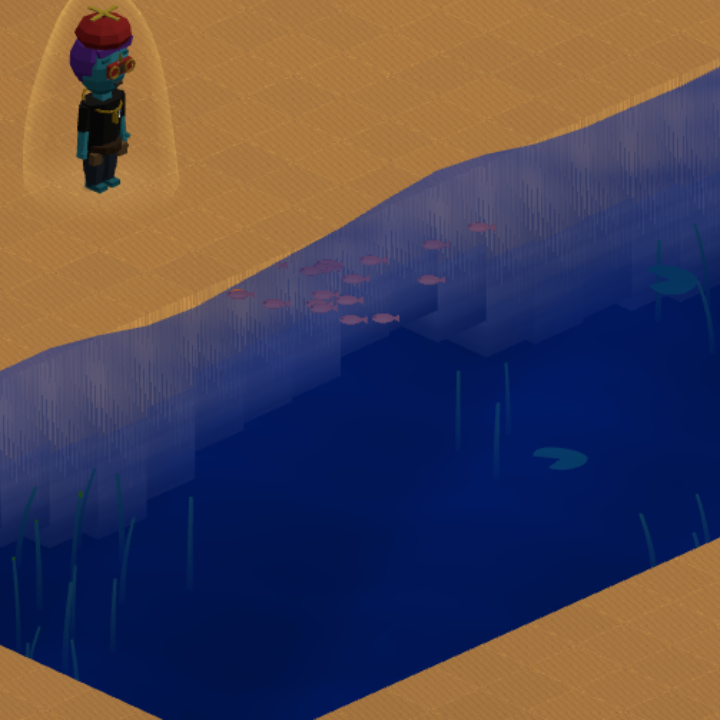
There is a camera in the world. kyntoes.com is where the pictures end up.
Watch it being built
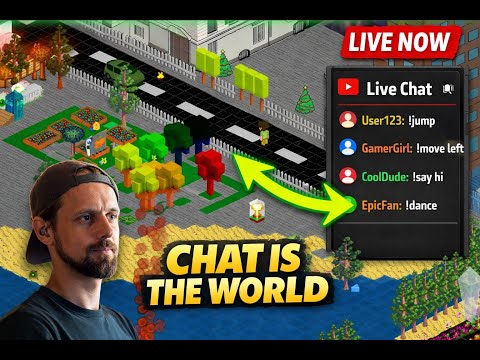


It is also the whole streaming studio
Kynto does not sit on top of a streaming setup. It is one. The world, the cameras, the chat, the sound and the broadcast are one system, and what you see painted on screen is what goes out.
Kynto composites its own frame and sends it out over RTMP, fanning out to YouTube and beyond. No OBS, no capture software. There is an OBS style scene system inside it for arranging cameras, screens, media and panels, and switching scenes live.
A phone, a laptop, a guest across the world. Anything with a microphone, camera or screen joins the room wirelessly over WebRTC and becomes a source. No capture card, no cables.
Every chatter gets an avatar in the world, and a distinct voice. Messages are read aloud with text to speech, each person sounding like themselves every time, so a busy room sounds like a crowd rather than one robot.
Territory battles, mazes, hot and cold. Games drop into the live room and viewers play them with the chat commands they already know. No overlay, no extension.
AI moderation watches the combined chat with a sensitivity you control, and can act in the world, not just delete messages.
TTS voices, scenes, sound, moderation and games are all controls in one place, and a Stream Deck or MIDI keyboard can drive any of them.
This is not a demo of my stream. Other creators can already connect their own channel accounts and run all of this on theirs, with their tokens stored encrypted. If you want your stream on it, email me and I will walk you in.
One person built this
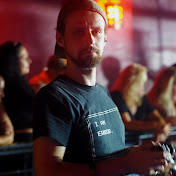
I am Will. Online I go by Codeloch. I grew up in Scotland, and when I was eleven I could not afford Habbo Hotel, so I started building my own. That was 2007, on game forums, in Flash.
The first version was PHP and a pool of DOM elements, built so even a PSP browser could draw it. Real time came later through Comet, a long polling bridge to a C# socket server, which stood up live chat and interaction before WebSockets existed. That stack taught me more about real time systems than any job since.
Somewhere on those forums I realised that if nothing in a system talks directly to anything else, it can grow forever without getting tangled. Everything just emits and listens. That one idea is the whole of Kynto. Twenty years later it is the same idea, and the world fell out of it. 2D, then 3D, then a place you walk into in VR.
Kynto is not a streaming tool that added avatars. It is a place that runs, and it holds things. A garden. A graveyard I built the week both my grandfathers died, where my avatar glows slowly beside the stones. A car I once dragged down a road and recorded, so it could drive itself again. There is no company behind this and no investors. I build it live most nights, and I would rather build it with you in it.
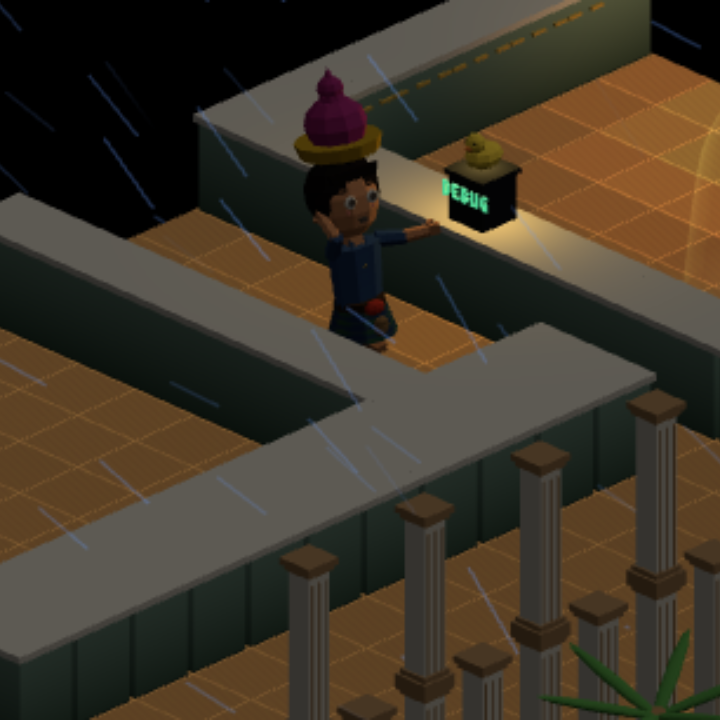
For creators
If you run a channel and any of this looks like something your audience would enjoy, I would love to hear from you. An ad slot, a video, a stream where your chat plays in a room with your name on it. I am one person, so this is an email to me, not a funnel.
Kynto already speaks to hardware streamers own. An Elgato Stream Deck can drive the world directly: keys fire world events, scene warps, moderation, sound. A MIDI keyboard plays the in world Music Studio live on stream. Chat, deck and keys are all the same thing to Kynto: inputs on one event bus.
Kynto is a free world that runs in your browser. No download, works on your phone, even in VR.
One guy from Scotland has been building it since he was a kid who could not afford Habbo Hotel.
The wild part: your chat can play. Type !move in his stream and your avatar walks.
Check it out at kynto party dot com. Link in the description.
Clips, screenshots and descriptions are on the press kit page. Or just email me: kyntoparty@gmail.com
Straight answers
Is Kynto free?
Yes. Playing is free, and viewers joining from chat never pay anything. There are optional cosmetics for people who want to support it.
Do I need to download anything?
No. Kynto runs in a normal browser tab, on desktop and phone. It also runs in VR through a headset browser, and it is the same world either way.
Can my Twitch or YouTube chat really play?
Yes. Chat messages are inputs. A viewer types !move or !dance in live chat and their avatar in the world does it. No account, no install. Twitch, YouTube, Kick and TikTok chats all work at once.
What is Kynto built with?
A custom engine by one developer: WebGL rendering in the browser, WebRTC for live cameras and screen share between people in a room, and an event bus that treats chat, keyboards, MIDI and Stream Decks as the same kind of input.
Is it a game?
No, it is the thing games come out of. Territory wars, platform battles, hot and cold. They fall out of movement, tiles and chat, not a game engine bolted on. Games happen on Kynto. Kynto is not one game.
Why does it look like a 90s computer game?
Because hand drawn art makes a world feel made, not generated. Think Myst or early Final Fantasy. A place someone clearly built by hand, except other people can walk in and build it with you.
Can it replace OBS for my stream?
Yes. Kynto composites and broadcasts its own output, with scenes, cameras, screen shares, TTS and games inside one system. You connect your own channel accounts and run your stream on it, and your tokens are stored encrypted. It is young, so early creators get a direct line to the person who built it.
Is this vibe coded?
Look at the age of the project. Kynto has been in the works since 2007, and there is video of it running sixteen years ago. I am a software engineer with more than twenty years of experience, and every system in it is hand built. No token, no NFT, nothing generated.